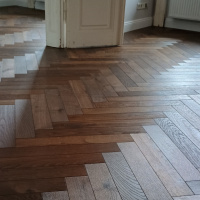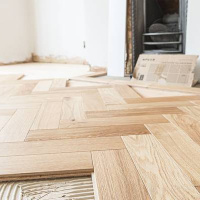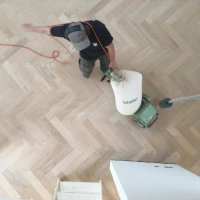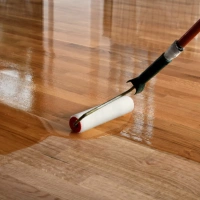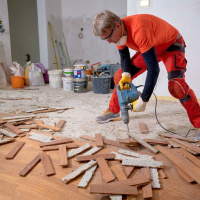
Traditional hardwood floors can usually be refinished multiple times (sanding, varnishing, oiling), but there are some cases where it is no longer worth it or a complete replacement becomes necessary. These are the most common situations:
1. The wear layer is very thin
If the parquet has been sanded many times, the top wear layer becomes so thin that longitudinal cracks appear on the surface of the parquet, or even the tongue-and-groove joints become visible. In such cases, renovating the parquet is no longer possible.2. Severe moisture damage
The ideal moisture content of parquet is between 7% and 11%. If exposed to moisture over a long period, the parquet absorbs moisture, causing it to expand. In milder cases, it only warps, but in the event of severe water damage, the parquet expands so much that it usually bulges. Reusing parquet damaged in this way is not recommended.3. Damaged by wood borers or fungi
There are various pesticides available to combat wood borers, but to be on the safe side, it is better to replace all the parquet in the affected room, as not all parquet shows visible burrow tunnels. And if not all of the affected flooring is removed, the beetles will eventually infest the newly installed flooring.Fungal growth always occurs in damp, humid environments. In such cases, the most important step is to locate the source of the moisture and eliminate it.