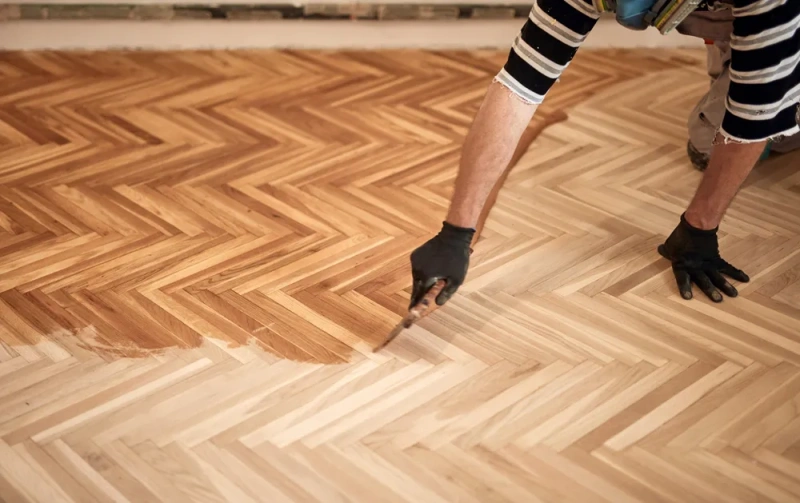
1. When is parquet renovation needed?
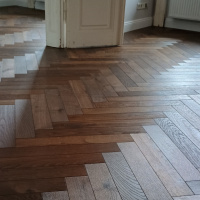
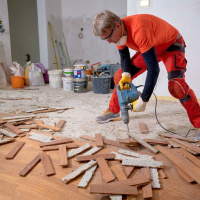
Signs that renovation may be necessary include deep scratches, stains, loss of shine, loose elements, and creaking floors. In traditional parquet, the sandable layer can be up to 10 mm thick, allowing for 5–6 renovations over its lifetime. For laminate flooring, renovation is limited or not possible, so damaged planks usually need replacement.
2. Sanding
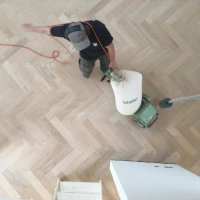
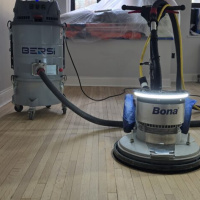
Sanding levels the surface and removes the old finish. Choosing the right sanding machine and grit for the parquet type is crucial. Proper sanding not only removes imperfections but also prepares the surface for finishing, ensuring an even, smooth floor.
3. Surface treatment: varnishing or oiling
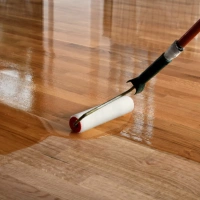
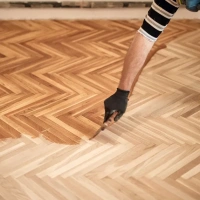
Varnishing provides a strong, durable surface resistant to scratches and moisture, ideal for high-traffic areas. Oiling gives the wood a warmer, more natural look while highlighting the grain, but requires regular maintenance. During treatment, the professional selects the proper materials and number of layers according to the parquet type and intended use.
4. Tips for long-lasting results
- Avoid excessive water when cleaning; moisture is parquet's biggest enemy.
- Use felt pads under furniture legs to prevent scratches.
- Regularly clean with mild cleaners and a soft mop.
- Inspect the surface yearly and repair minor damages promptly.
- Regular oiling or varnishing prolongs the floor's life.
5. Hiring a professional
While small scratches can be fixed at home, complete renovation requires expertise. A professional ensures sanding, finishing, and repair steps are executed correctly, guaranteeing a stable, aesthetic, and durable floor.
Want to bring your parquet back to life? Call us today! Professional sanding, varnishing, and oiling – quick and precise.